We’ve been exploring AI search for brands here at Hungry, particularly what it means for food and drink businesses. Each week seems to bring something new to try, something useful to learn and something we’re perhaps less sure about. We’re still working out where it fits into our lives and businesses, but it makes sense to get to know it.
For food and drink brands, one place to start is with a simple question: how is your brand’s story being told by AI? We’ve been exploring AI search for food and drink brands here at Hungry, and there are a few useful things you can try.
You may already be turning to ChatGPT or Gemini for questions you would once have put into Google. Imagine you’re buying a bottle of gin for a friend. You could open a few websites and compare the options. Or you could explain that your friend likes citrus flavours, that you’d like a British producer with an interesting story and that your budget is £40.
With AI, you can explore suggestions, ask about the makers and find out where to buy, all in the same conversation. Before visiting a brand’s website, you may already have learned quite a bit about it.
That’s what we’ve been looking at here at Hungry. AI search can bring together information from different places, so it’s useful to check what it says about your brand and who is helping tell that story. Here are five things you can do to start finding out.
1. AI search for brands: what does it say about yours?
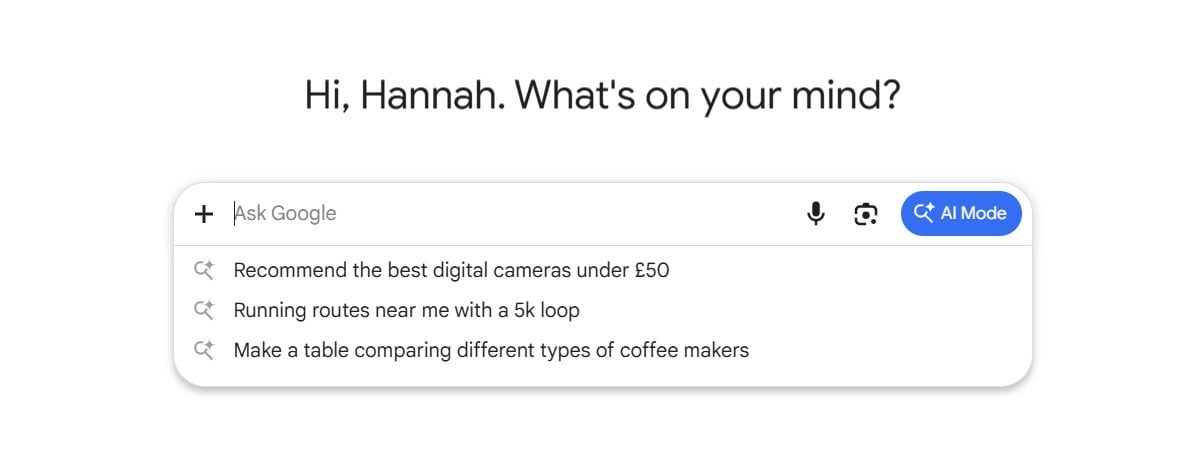
Start by asking ChatGPT, Gemini or Google AI Mode: “Tell me about [brand]. What does it make, who is behind it and where can I buy it?”
Next search in your preferred AI search again. Try: “What does [brand] make, who is behind it and where can I buy it?”
Are the answers right? Has it missed something important?
It may be useful to note down: Did it find you, are opening times correct, is pricing correct, contact information available, location/website, where to buy and other details which may be important. Note if the details are accurate, inaccurate or if there is something missing.
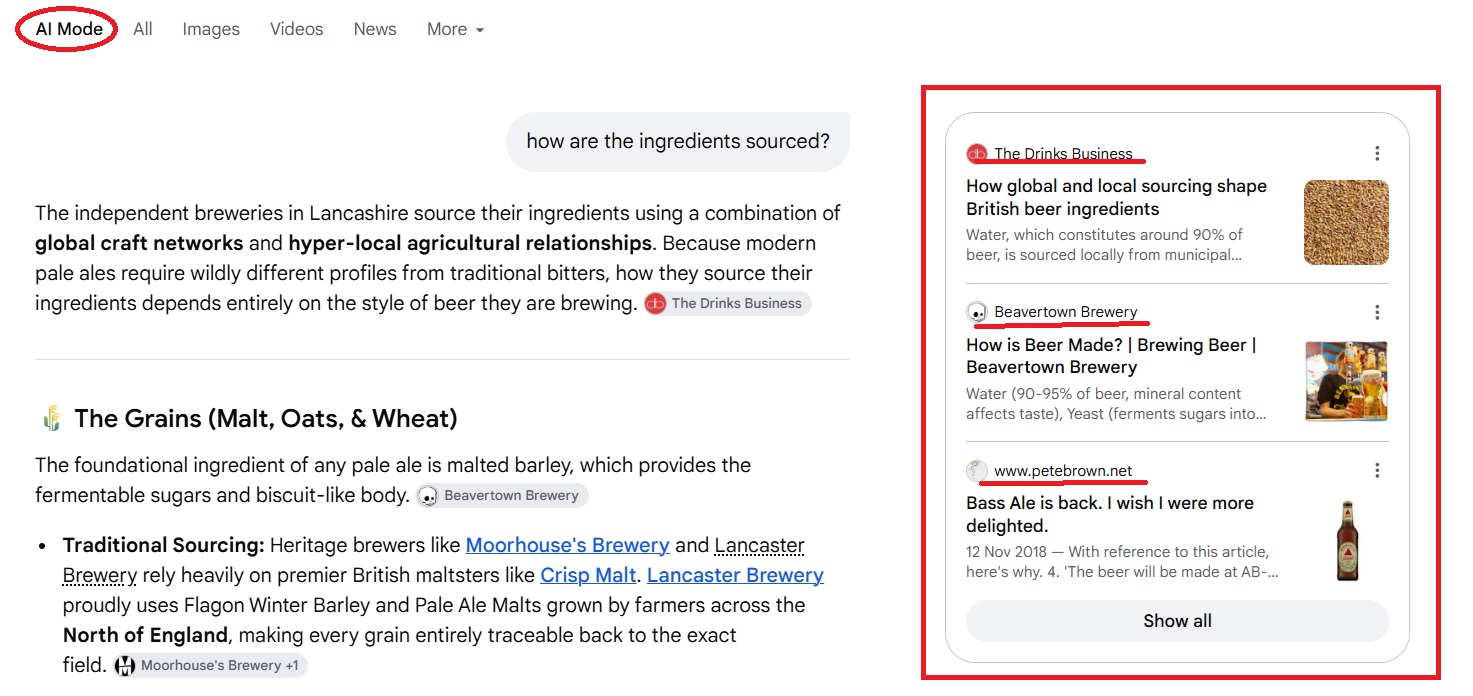
Then start a fresh conversation without naming your brand – a non-branded search. For example if you’re a brewery, ask these questions one after another in the same conversation:
“Which independent British breweries make pale ales that would be good as a gift?”
“What about breweries in Lancashire?”
“Can I order a mixed case online for under £35?”
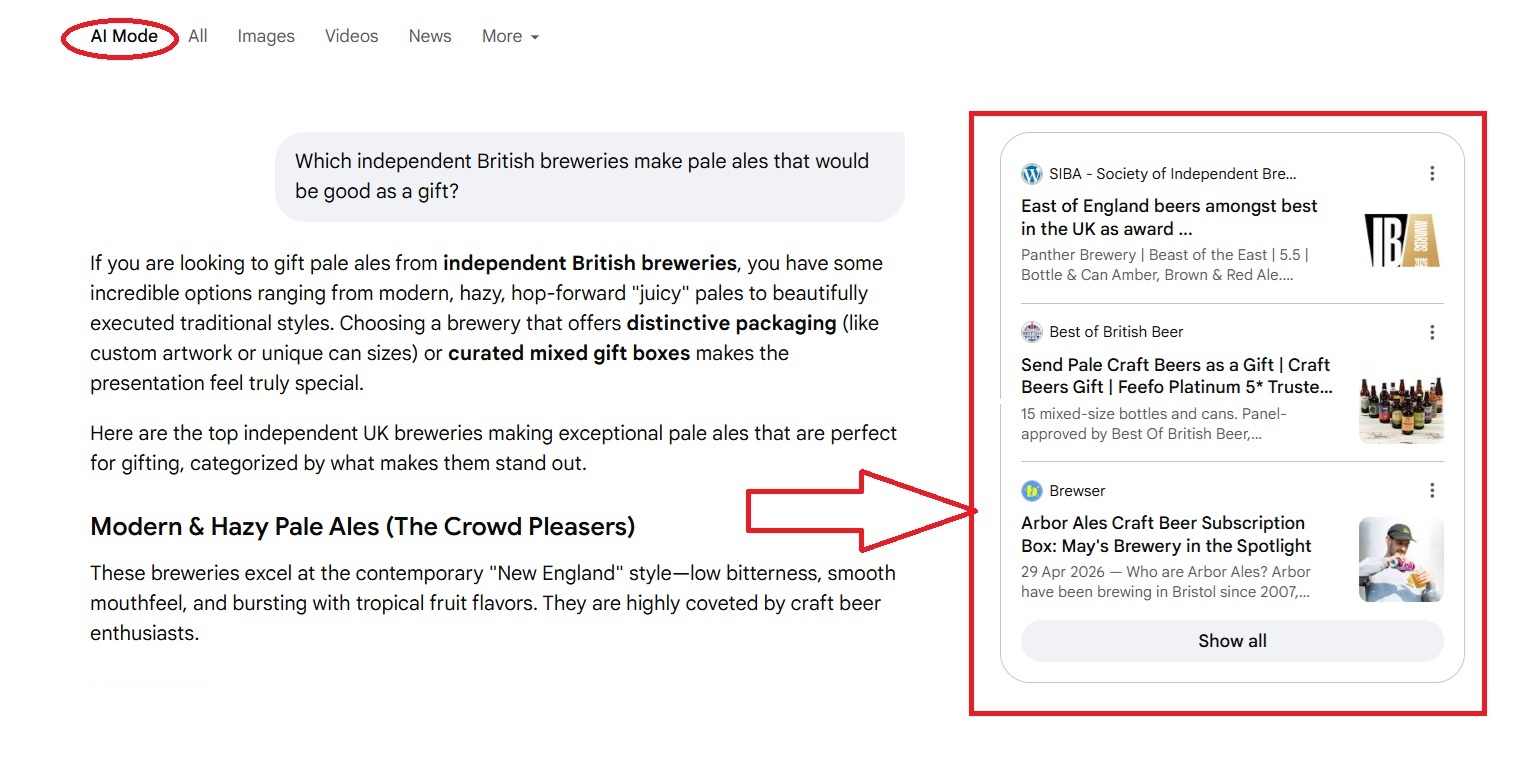
Try a few ways of asking, including words a customer might use, such as ‘best’, ‘local’ or ‘gift’
Does your brewery appear as you narrow the options? Is it mentioned, linked or recommended for a reason? Save the questions and answers with the date and tool you used. Try a few variations too. One answer is a snapshot, but it can give you a useful starting point.
2 Answer the questions behind the purchase
Think about what your customers want to know beyond the product itself.
Who is it for? What’s the occasion? Do they care where it’s made, who founded the business or how the ingredients are sourced? A retailer will have different questions again, about case sizes, distribution and supply.
Write down the questions you’re already asked and use them to improve your product pages, FAQs and content.
Explain a flavour, share a serving idea or tell people why you chose a particular ingredient.
3. Make the basics easy to find and check
Start with the product pages on your website. Would someone who has never heard of you find everything they need to decide whether to buy? That could include ingredients, allergens, flavour, pack size, price, where to buy and delivery details. For alcoholic drinks, include the ABV.
Some details may seem obvious to you, but could make all the difference to someone choosing a product. Think about trade buyers too. Can they find case sizes, supply information and someone to contact?
Write these details clearly on the relevant website pages, rather than leaving people to read them from a photograph of the packaging.
Then check the information on retailer and distributor websites. Ask for anything outdated or incorrect to be updated, so customers get accurate information wherever they find you.
4. Give your social content enough context
Your social content can reach beyond your followers. Public posts and videos can also appear in AI search answers, giving people another way to discover your brand and hear from the people behind it.
A cocktail reel or a beautiful product shot can catch someone’s eye. Make sure the caption helps them understand it too. Name the brand and product, explain what you’re showing and share a useful detail about the flavour, ingredients or how it’s made. Add clear on-screen captions to videos too.
Let people hear from the people behind the brand: a founder explaining an ingredient, a brewer talking through a new release or a chef sharing a recipe. Link back to your website too where possible.
5. How PR can help your brand appear in AI search
Open the articles, stockist pages and reviews linked in AI answers.
Are the facts right? Do they explain what makes your product interesting? You may find an old description is still doing the rounds, or that an important part of your story is missing.
This is where PR can help.
Coverage in a trusted newspaper, food title or drinks publication can give your story independent credibility. These articles may also become sources for AI answers, which gives relevant, well-informed press coverage another valuable role in helping people discover your brand.
Give journalists and relevant publications a story worth sharing, whether that’s the people behind the business, a distinctive production process or the thinking behind a new product. Help stockists tell it accurately too.
At Hungry, this brings together the PR, content, social and digital work we do with food and drink brands.
The easiest way to get familiar with AI search for brands is to try it for your own business.
Three things to try this week
- Ask an AI search tool one customer question without naming your brand. Check the answer and its sources.
- Improve one product page by answering a question your customers regularly ask.
- Use that question for a social post, sharing a useful answer and linking to more detail on your website.
If this has made you curious about how your brand appears in AI search, we’d love to hear from you. We can help you explore what’s being said, spot what’s missing and decide which content to create next.
Hannah at Team Hungry